Closing the Digital Gap in Philippine Public Schools
In many rural communities in the Philippines, children still grow up without regular access to computers. This lack of access limits their ability to learn essential digital skills that are now as important as reading and writing. At Libongao Elementary School in Leyte, the situation is changing. Earlier this year, I brought in seven laptops that have since become part of the classroom experience for Grades 4 to 6. From the first lessons on what a computer is, to practical exercises on typing, presentations, and internet use, these young learners are now taking their first confident steps into the digital world.
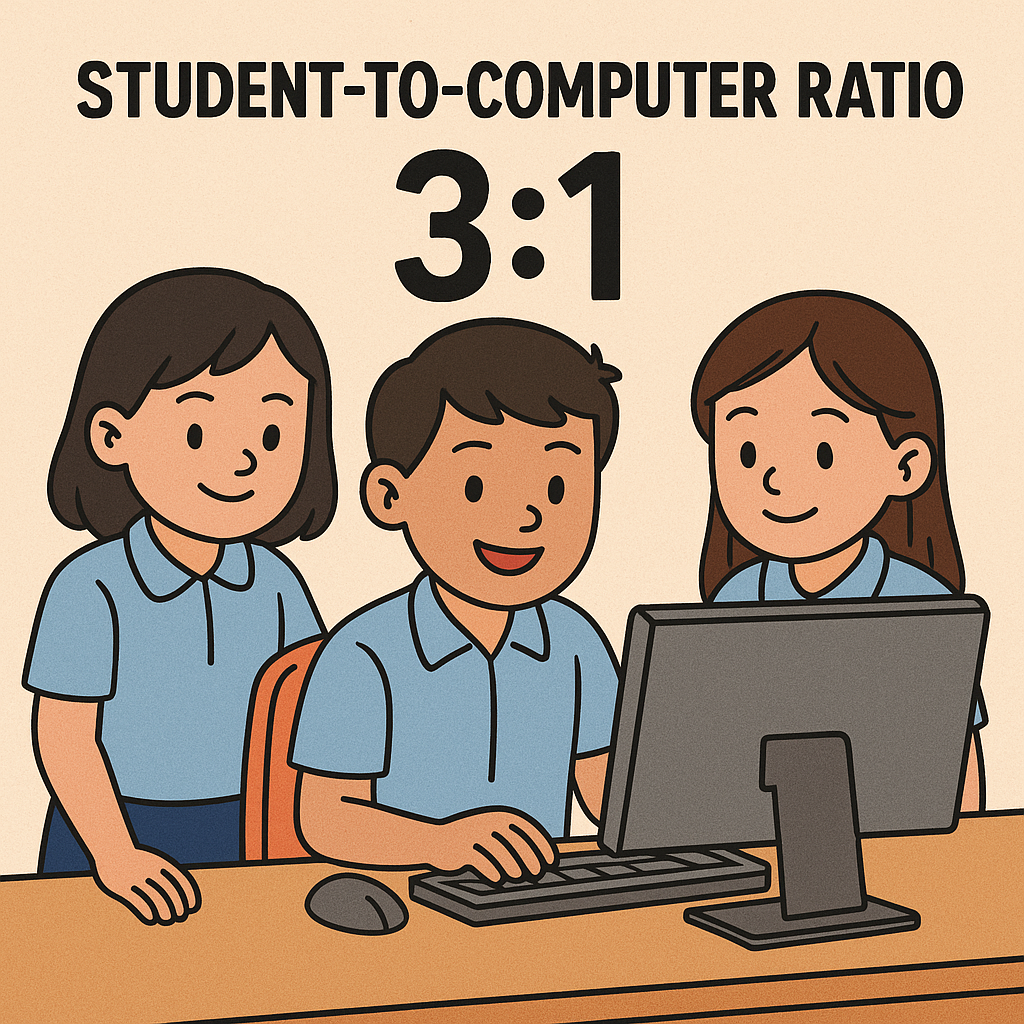
Improving the Student-to-Computer Ratio
Today, I am taking another step forward by adding two more laptops to their learning tools. This is more than just increasing the number of devices. It is about expanding opportunities. In many Philippine public schools, the student to computer ratio can be as high as one computer for every sixty or more students. In contrast, the average in many developed countries is close to one computer for every child. Even some developing economies are moving toward a ratio of one computer for every five students, considered a practical global benchmark for effective learning.
For Libongao Elementary, my personal target is far more ambitious. I am aiming for at least one computer for every three students, and ideally one computer for every two. This would mean that in every class, only two or three students would share a laptop. That would give each child more hands-on time, better engagement, and a chance to develop skills at a deeper level. Every additional laptop we provide moves us closer to that goal, making technology a regular part of the learning process rather than a rare treat.
Inspiring Future Scientists and Innovators
Beyond digital literacy, I believe these early computer experiences can spark curiosity in science and technology. For many of these students, this is their first real encounter with the tools that power innovation. By giving them the chance to explore, experiment, and create, we can inspire them to dream about careers in robotics, engineering, data science, and software development. These are fields that are shaping the future and where Filipino talent can make a global impact.
An Advocacy for Inclusive Education
My vision is clear. Every child should be computer literate. Technology is a form of empowerment. It connects children to the wider world, gives them access to knowledge, and builds critical skills that will serve them for life. With the dedication of their teachers and the curiosity of young minds, these laptops can become more than just machines. They can be stepping stones to a brighter and more promising future. This effort is also part of my broader advocacy for inclusive education, ensuring that every child, regardless of location or background, has equal opportunities to learn and succeed.
How Companies Can Help Bridge the Digital Divide
I invite individuals and especially companies to be part of this mission. If you have old but still functional laptops or desktop computers, especially if your organization upgrades equipment regularly and sells the old units at disposal prices, consider donating them to public schools. What may be outdated for business use can still be life-changing for a child learning basic computer skills in a rural classroom. Together, we can bridge the digital divide and bring our students closer to the opportunities they deserve.
If you wish to help support this cause directly, you may also send a donation through PayPal here: [Insert PayPal Link]
Invitation to Schools in Southern Leyte
For schools in Southern Leyte that share this vision, I welcome you to send me an email with a letter of intent describing your circumstances, the number of students who will benefit, and how committed you are to integrating computers into your teaching. We will carefully consider requests from schools that are aligned with the goal of improving computer literacy and inspiring future scientists, innovators, and problem-solvers.
Personal Commitment to Education
As a final note, I want to make it clear that I do not represent any organization, company, or government agency. These initiatives are entirely my own personal commitment to education and community development.
Mabuhay, and padayon sa pagkat-on!